

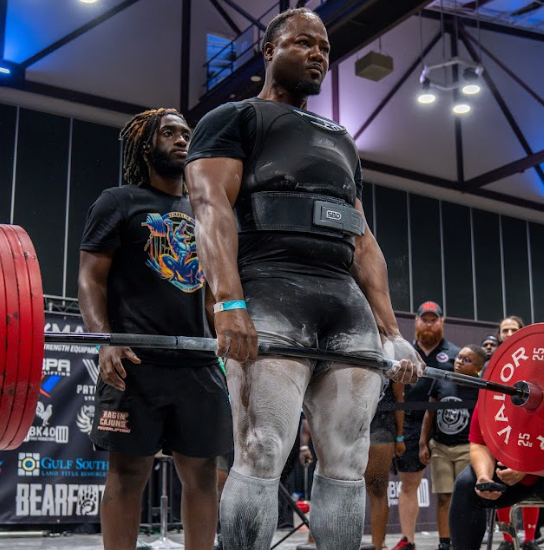
Sumo vs. Conventional Deadlift: The Debate That’s Tearing the Powerlifting World Apart
Few topics spark more debate in strength training than sumo vs. conventional deadlift. Walk into any powerlifting gym—or scroll social media long enough—and you’ll hear strong opinions on both sides. Wide stance or narrow? Shorter range of motion or classic pull?
Sumo lifters point to leverage and efficiency. Conventional pullers sometimes dismiss sumo as “cheating” (air quotes heavily implied). The reality is simpler: sumo is legal in every powerlifting federation, and both styles have earned their place on the platform.
Note: This article is for general education only and does not constitute medical or coaching advice. Individual technique and programming should be tailored to the lifter.
What many lifters discover over time is that training both sumo and conventional deadlifts can provide meaningful benefits—especially for longevity, performance, and long-term strength development.
The Case for Training Both Deadlift Variations
Coaches who have trained thousands of athletes often notice the same pattern: lifters who stay healthy and strong long-term tend to balance stress rather than hammer the same movement forever.
Elite athletes frequently spend years reinforcing a single pulling pattern. Over time, this can create imbalances or overuse issues. Rotating between wide and narrow stances spreads demand across the hips, legs, and back more evenly.
Non-specialists who train like specialists may limit development. Specialists who never vary may limit longevity.
For general fitness-focused lifters, training multiple deadlift variations can enhance overall athleticism and conditioning. For competitive lifters, strategic variation often supports durability and performance across seasons.
The Universal Benefits of Deadlifting
Regardless of stance, deadlifts remain one of the most effective strength movements available. They build total-body strength, support muscle growth, contribute to conditioning, and play a role in body composition goals.
Few exercises challenge the legs, hips, core, and back in the same integrated way. This is why deadlift variations continue to show up in programs across sports and training styles.
Do Sumo and Conventional Train Different Muscles?
A common misconception is that sumo and conventional deadlifts train entirely different muscle groups. In reality, both variations recruit the same major muscles—the difference lies in emphasis.
- Sumo deadlifts often increase adductor and hip engagement while reducing lower-back demand.
- Conventional deadlifts tend to emphasize the posterior chain and back musculature more heavily.
This overlap creates opportunity. Training both stances strengthens the hips and legs through different ranges and positions while varying spinal loading demands.
Real-World Application: A Coach’s Perspective
Many lifters experience a steep learning curve when switching stances. A common scenario: a lifter pulling nearly 500 pounds conventional may struggle with 300 pounds sumo at first, finding the position awkward and unfamiliar.
Yet over time, that same lifter might break previous plateaus— even surpassing old numbers using a sumo deficit variation. These outcomes challenge assumptions about “natural” stance preference.
With experience, many coaches and lifters come to appreciate both styles, recognizing that each offers unique advantages when applied intelligently.
Integrating Sumo and Conventional Into Training
Competitive lifters usually have a preferred stance for the platform—and that’s normal. However, off-season blocks or secondary training days provide ideal opportunities to train the non-competition stance.
Strength built in different positions often transfers back to the primary lift. In some cases, the “secondary” stance becomes the stronger option over time.
Even when stance preference remains unchanged, rotating variations supports balanced development and long-term resilience.
Equipment Considerations: Power Bars vs. Deadlift Bars
Equipment choice also plays a meaningful role in deadlift training. A Power Bar and a Deadlift Bar create very different training stimuli.
- Deadlift Bars feature a smaller diameter and more whip, often allowing heavier loads to break from the floor.
- Power Bars offer stiffer shafts and aggressive knurling, demanding cleaner positioning and tighter control.
Lifters who train with both bar types often develop better technical awareness. Power Bar training can clean up positioning, while Deadlift Bars serve as effective overload tools.
-
Texas Deadlift Bar
View Texas Deadlift Bar -
29mm Texas Power Bar (7th Gen)
View Texas Power Bar -
Specialty Bars
View Specialty Barbells
Key Takeaways
Training both sumo and conventional deadlifts offers advantages for most lifters. Rotating stances and bar types helps distribute stress, develop broader strength, and refine deadlift skill as a whole.
For those serious about deadlifting, exploring multiple variations and tools isn’t a compromise—it’s a path toward long-term mastery.


Leave a comment
All comments are moderated before being published.
This site is protected by hCaptcha and the hCaptcha Privacy Policy and Terms of Service apply.