

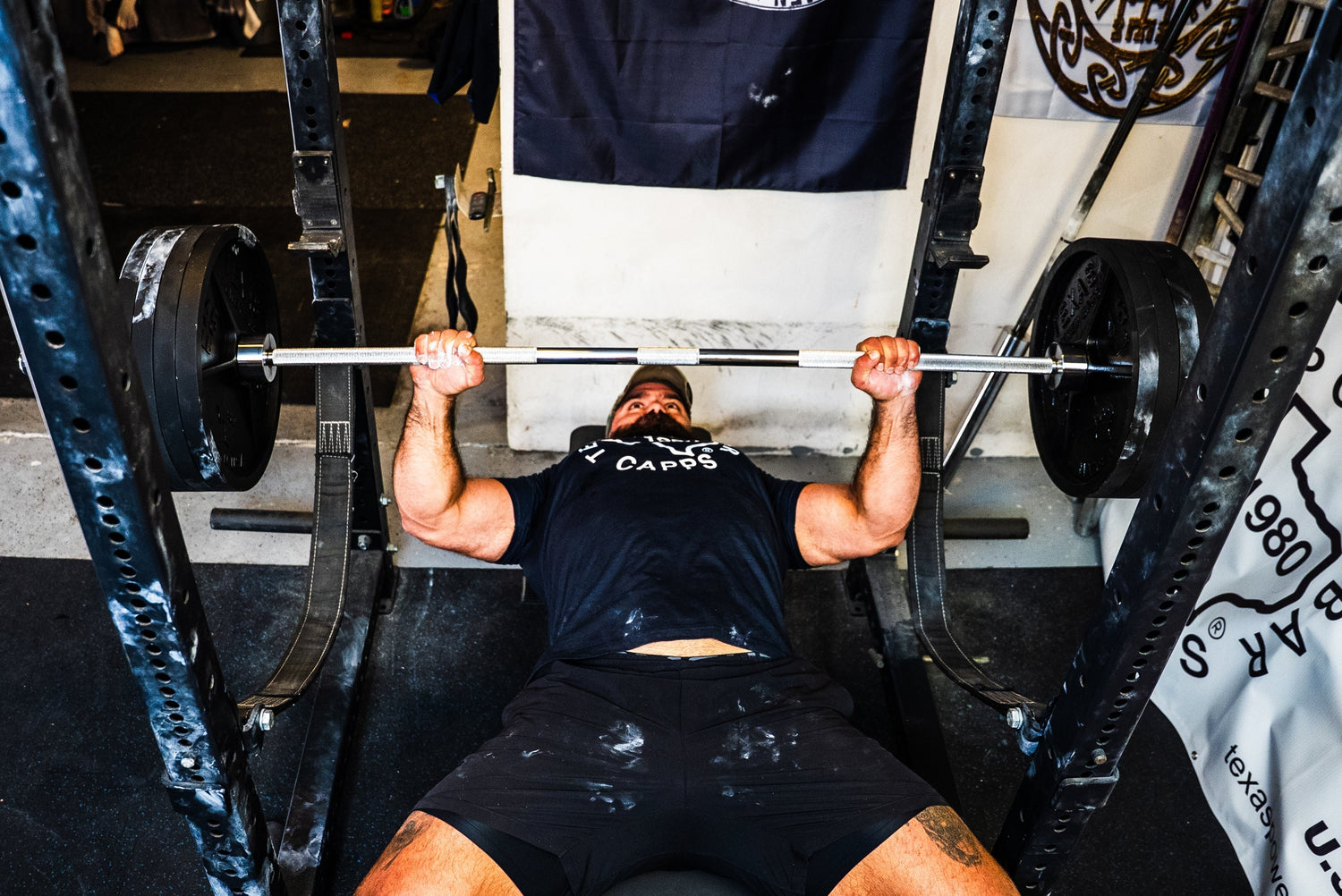
Top 3 Reasons Powerlifters Keep Multiple Barbells in Their Gym
As powerlifters progress, many come to the same realization: one barbell can’t optimally serve every purpose. While a quality power bar is a foundation, different lifts and training phases place different demands on the barbell itself.
This is why experienced lifters, coaches, and serious gyms often keep multiple barbells on hand. Not for novelty—but for specificity, consistency, and long-term performance.
Note: This article is for general education only. Equipment choice and training approaches vary by athlete and goal.
1. Different Lifts Demand Different Barbell Behavior
While the squat, bench press, and deadlift all use a barbell, they place very different mechanical demands on both the lifter and the equipment.
A stiff bar that feels stable for squats may feel unforgiving in the deadlift. A bar with controlled flex can benefit pulling mechanics but feel less ideal for heavy squatting or benching.
Matching barbell behavior to the lift allows lifters to train more efficiently without forcing one tool to do every job.
This is why many powerlifting gyms pair:
- A Power Bar for general training and bench press work
- A Squat Bar for heavier, more stable squatting
- A Deadlift Bar for controlled flex and pulling specificity
- A Fat Axle Bar for grip strength and accessory work
Each bar fills a specific role, reducing compromise and improving carryover to competition-style lifting.
2. Reduced Wear and Longer Equipment Life
Barbells are built to handle abuse—but no piece of equipment lasts forever when it’s used for every lift, every session, year after year.
Rotating bars across training sessions spreads load, knurl wear, sleeve rotation, and general fatigue across multiple tools instead of one.
Even the most durable bars benefit from smart rotation. Less wear per bar means more consistent performance over time.
Texas Power Bars are known for longevity, but experienced gym owners and lifters understand that equipment stewardship matters. Keeping multiple barbells isn’t excess—it’s preservation.
3. More Specific Training Cycles and Meet Preparation
As lifters advance, training becomes more specific. General strength phases look different than peaking phases, and bar selection often reflects that shift.
During a peak, lifters may transition to:
- Squat Bars to mirror competition squat conditions
- Deadlift Bars to refine timing and pull mechanics
- Power Bars to maintain familiarity with meet-day equipment
Bar selection becomes a programming variable—just like volume, intensity, and exercise choice.
Even outside of competition prep, rotating barbells can help emphasize specific mechanics, expose weak points, and keep training productive over long cycles.
Common Barbells Found in Serious Powerlifting Gyms
-
Texas Power Bar
View Power Bar -
Texas Multi-Purpose Bar
View All American Bar -
Texas Olympic/Crossfit Bar
View Cross Bar -
Texas Fat Axle Bar
View Fat Axle Bar
Final Thoughts
Keeping multiple barbells isn’t about excess—it’s about intention. Different lifts, different phases, and different goals benefit from different tools.
For powerlifters focused on long-term progress, durability, and performance, having the right bar for the right job is simply part of training smart.


Leave a comment
All comments are moderated before being published.
This site is protected by hCaptcha and the hCaptcha Privacy Policy and Terms of Service apply.