

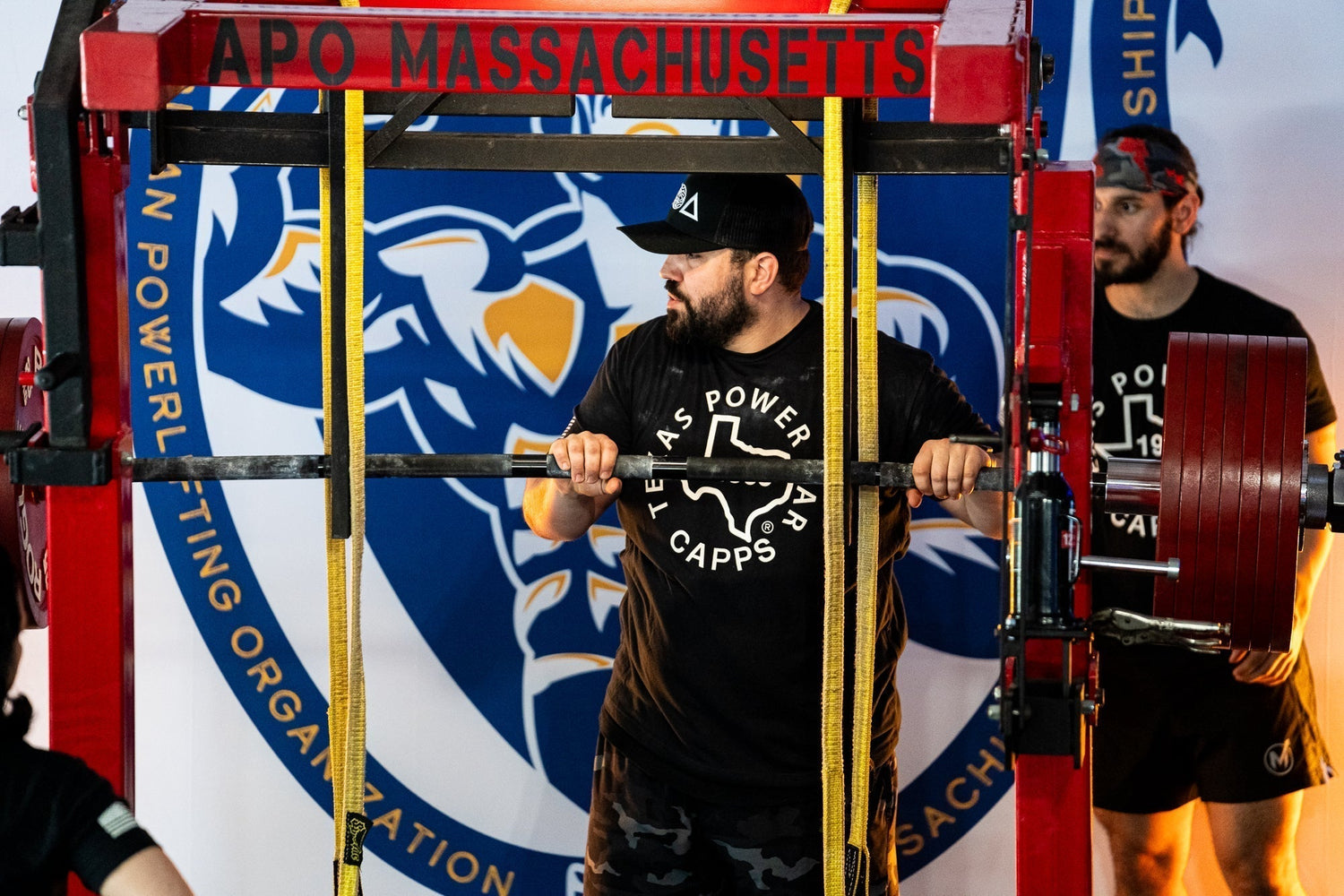
What Is Tensile Strength in Barbells?
If you have been researching barbells, you have probably seen specs like 190K PSI, 200K PSI, or 200K+ tensile strength.
It is one of the most talked-about numbers in barbell specs, but it is also one of the most misunderstood.
Tensile strength matters. It can tell you a lot about the steel used in a barbell. But it does not tell the entire story of how a bar performs under heavy weight.
At Texas Power Bars, we have been building barbells in Texas since 1980 using American steel trusted by generations of lifters. One thing has remained true across decades of real-world strength training:
The highest tensile strength number is not always the best bar. The right tensile strength for the right bar design is what matters.
Quick Answer
Barbell tensile strength measures how much stress the steel can handle before failing. It is usually listed in PSI, or pounds per square inch.
A higher number can mean a stronger, stiffer bar, but tensile strength alone does not determine bar quality. Shaft diameter, bar length, steel quality, heat treatment, sleeve construction, and manufacturing consistency all matter.
The Texas Power Bar ORIGINAL uses a proven 190K PSI shaft. The Texas Power Bar PRO and Texas Power Bar ELITE upgrade lifters to a 200K+ PSI shaft for a stiffer, more modern power bar feel.
What Is Tensile Strength in a Barbell?
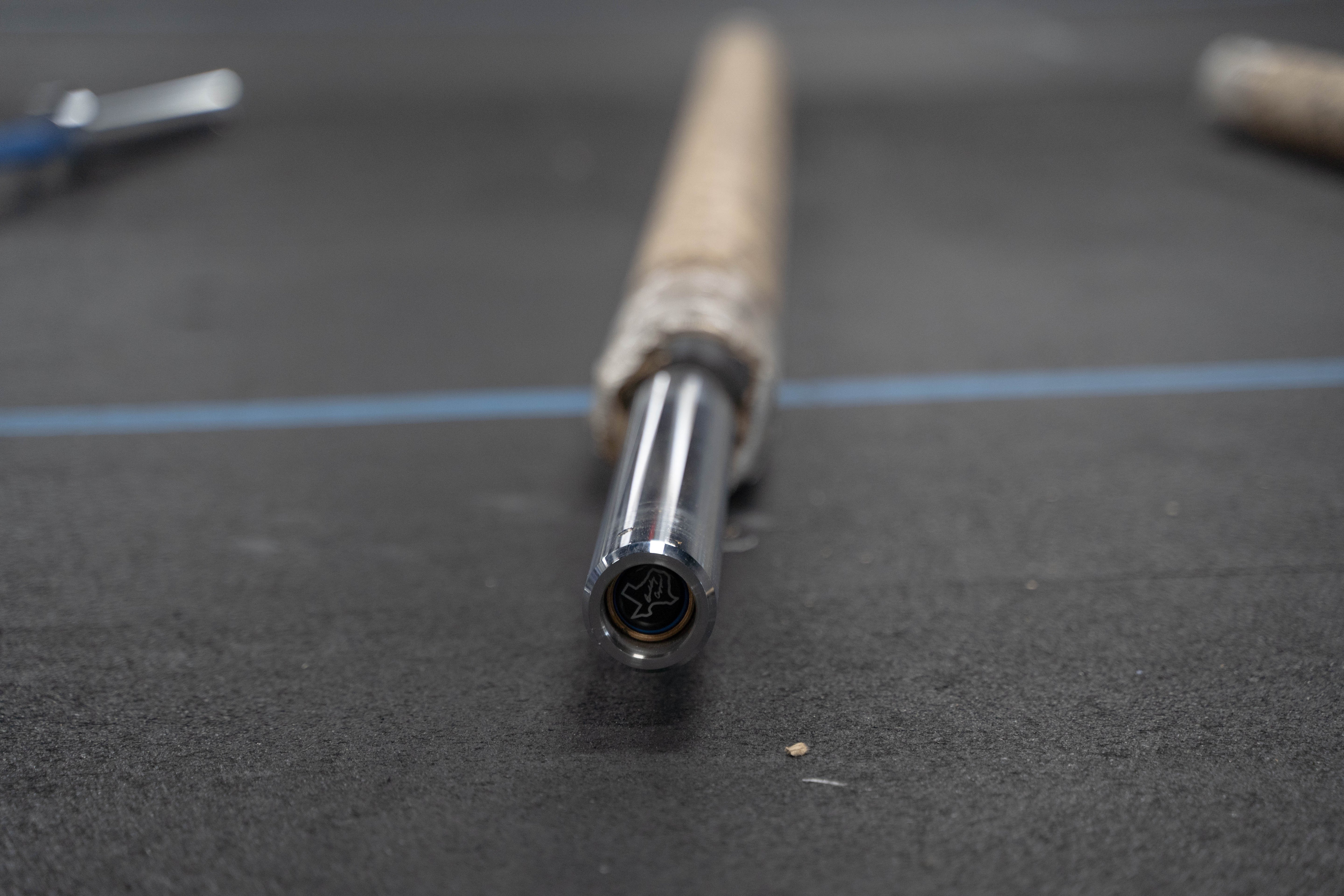
Tensile strength refers to how much stress steel can handle before it fails. In barbell specs, it is listed as PSI, which stands for pounds per square inch.
In simple terms, tensile strength helps indicate how strong the steel is and how resistant the bar may be to permanent bending when properly engineered.
But tensile strength is not the only thing that determines how a bar feels or how long it lasts. A barbell is a complete system, not just one number.
Important Point
A well-built 190K bar made from quality steel can outperform a poorly made bar with a higher number on paper. The number matters, but the build matters more.
Common Tensile Strength Ranges
Here is a simple way to understand common tensile strength ranges in barbells:
| Tensile Strength | General Meaning |
|---|---|
| Below 150K PSI | Usually entry-level or light-duty bars, more prone to bending under serious loads. |
| 180K–200K PSI | High-quality strength training range for serious lifters. |
| 200K+ PSI | High-performance range often used for stiffer, more rigid power bars. |
Most serious lifters should avoid cheap, low-tensile bars built for light use. But once you are in the high-quality range, the right bar design matters more than simply chasing the highest number.
Why Higher Tensile Strength Is Not Always Better
It is easy to assume the highest number automatically wins.
But barbells are built for different purposes. A squat bar, power bar, deadlift bar, and general training bar should not all feel the same.
Higher tensile strength can help create a stiffer bar, but stiffness is not always the goal for every lift.
| Lift | What You Want From the Bar |
|---|---|
| Squat | Maximum stability, minimal whip, and a planted feel across the back. |
| Bench Press | Rigid control, consistent bar path, and minimal unwanted movement. |
| Deadlift | Controlled flex that helps the lifter build tension off the floor. |
This is why the best barbell is not always the one with the highest tensile strength. The best barbell is the one engineered correctly for the lift and the lifter.
190K vs 200K+ PSI: How to Think About It
A 190K PSI bar can be an excellent strength training bar when it is built correctly. The Texas Power Bar ORIGINAL is the perfect example. It uses a proven 190K PSI shaft and has been trusted by lifters since 1980.
A 200K+ PSI shaft is an upgrade for lifters who want a stiffer and more modern power bar feel. That is where the Texas Power Bar PRO and Texas Power Bar ELITE come in.
The PRO and ELITE combine a 200K+ PSI shaft with an upgraded 29mm design, giving lifters more stiffness, less whip, and a more refined powerlifting experience than the standard ORIGINAL.
Texas Power Bar Tensile Strength by Model
Different bars are built with different performance goals. That is why tensile strength should be matched to the purpose of the bar.
| Bar | Tensile Strength Positioning | Purpose |
|---|---|---|
| Texas Power Bar ORIGINAL | 190K PSI | Classic Texas Power Bar feel with proven durability. |
| Texas Power Bar PRO | 200K+ PSI | Stiffer 29mm upgrade with less whip and more refined performance. |
| Texas Power Bar ELITE | 200K+ PSI | Stiffest, most refined, and most modernized Texas Power Bar ever made. |
| Texas Squat Bar | 200K PSI | Maximum squat stability with a thicker shaft and rigid feel. |
| Texas Deadlift Bar | 190K PSI | Controlled flex for deadlift timing and pulling mechanics. |
How Tensile Strength Affects Each Lift
Squat
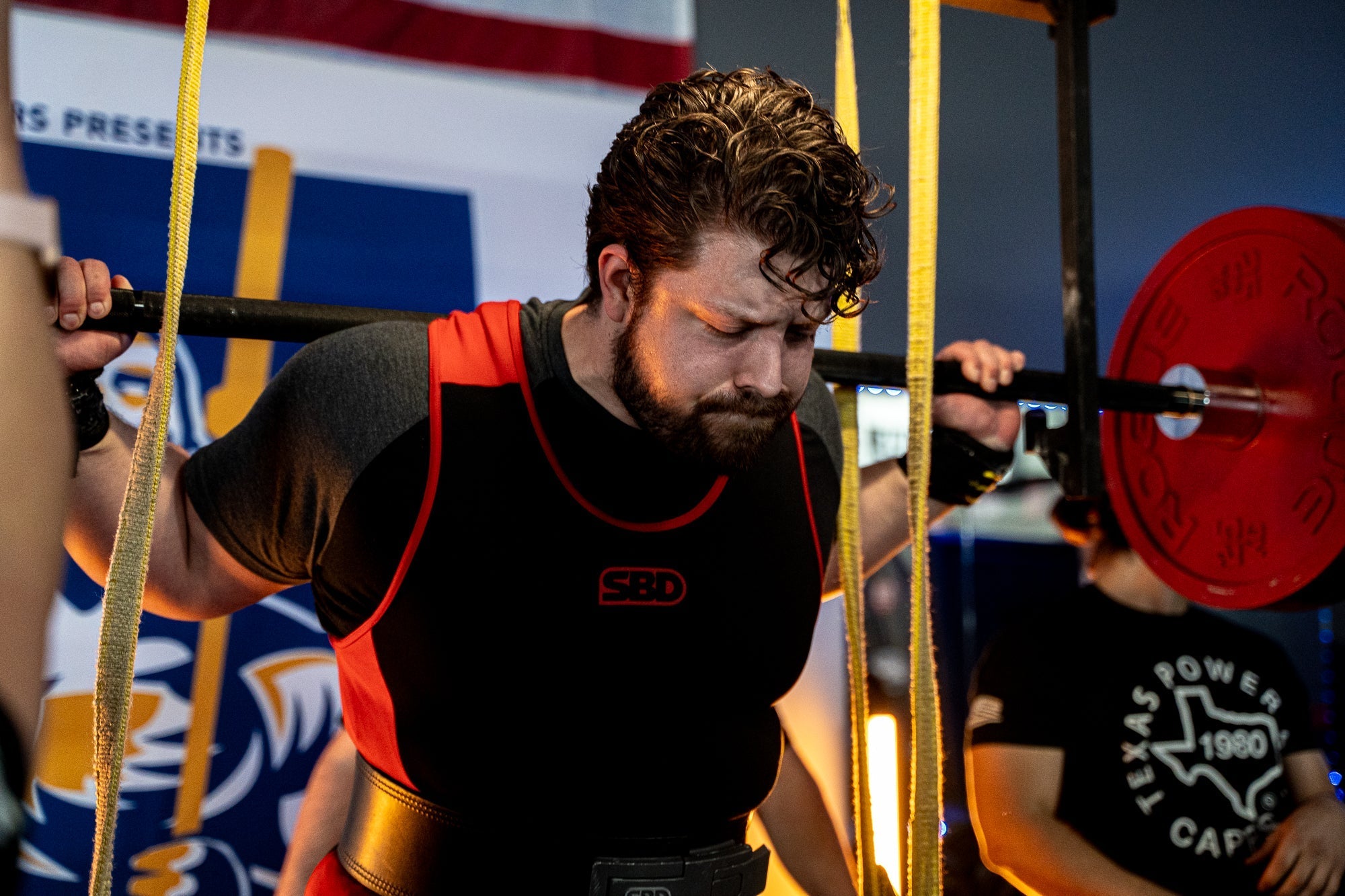
Heavy squats demand stability. A stiffer bar helps reduce unwanted movement during walkouts and heavy attempts.
The Texas Squat Bar combines 200K PSI tensile strength with a thicker 31.75mm shaft to create maximum rigidity and stability under heavy loads.
Bench Press
Bench press also benefits from stiffness. A rigid bar helps lifters maintain control, stay tight, and keep a consistent bar path.
This is one reason the 29mm Texas Power Bar PRO and Texas Power Bar ELITE are strong options for lifters who want less whip and more control.
Deadlift
Deadlifting is where tensile strength becomes more nuanced. Maximum stiffness is not always the goal.
The Texas Deadlift Bar uses a design built for controlled flex, helping lifters build tension before the full weight leaves the ground.
That is why the right tensile strength depends on the bar’s purpose.
Tensile Strength vs Real-World Durability
A barbell should not be judged by a spec sheet alone. Real durability is proven under years of loading, training, racking, pulling, and everyday use.
True barbell durability comes from:
- Steel quality
- Heat treatment
- Shaft diameter
- Shaft straightness tolerance
- Sleeve construction
- Knurl consistency
- Manufacturing precision
Texas Power Bars has built its reputation on bars that perform under real-world loads, not just on paper.
How to Choose by Tensile Strength
Choose 190K PSI if you want the classic Texas Power Bar feel or a bar intentionally designed with controlled flex, like the Texas Deadlift Bar.
Choose 200K+ PSI if you want a stiffer, more rigid, more modern power bar feel for squat, bench press, and heavy training.
Choose the bar by purpose first, then by tensile strength.
Strength Is Not One-Size-Fits-All
No single bar is perfect for every lift. That is why purpose-built bars exist.
A power bar should be stable and strong for squat, bench press, and deadlift. A squat bar should maximize stability under heavy squats. A deadlift bar should deliver controlled flex for pulling. A training bar should match the lifter and the program.
The goal is not chasing the highest number. The goal is choosing the right bar for how you train.
Compare Texas Power Bar Specs
Compare tensile strength, shaft diameter, stiffness, sleeve length, knurl options, center knurl, and more across the Texas Power Bars lineup.
Compare All BarsFinal Thoughts
Tensile strength is important, but it is only one part of the equation.
Higher is not always better. The best barbell is the one that uses quality steel, is engineered for its purpose, performs consistently under heavy weight, and holds up over time.
The Texas Power Bar ORIGINAL delivers the proven 190K PSI Texas Power Bar feel. The Texas Power Bar PRO and Texas Power Bar ELITE upgrade lifters into 200K+ PSI, 29mm performance. The Texas Squat Bar and Texas Deadlift Bar show why purpose-built design matters.
Choose the bar built for your training, not just the biggest number on the spec sheet.

Leave a comment
All comments are moderated before being published.
This site is protected by hCaptcha and the hCaptcha Privacy Policy and Terms of Service apply.