

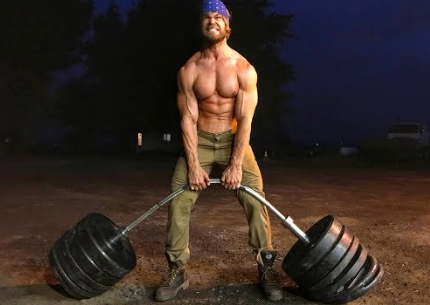
Why Cheap Barbells Bend (And How to Avoid It)
If you’ve ever seen a barbell permanently bent, you already know the truth:
Not all barbells are built to handle real weight.
At lighter loads, most bars feel fine. But once the weight gets heavy — during squats, bench presses, and deadlifts — poor-quality barbells start to fail.
At Texas Power Bars, we’ve been building American-made barbells since 1980, and we’ve seen firsthand what separates bars that last decades from bars that fail in months.
This guide breaks down exactly why cheap barbells bend — and how to avoid buying one.
What Causes a Barbell to Bend?
A barbell bends when the steel cannot properly handle load and return to its original shape.
There are two types of bending:
- Elastic deformation — the bar flexes under load and returns to straight (this is normal)
- Plastic deformation — the bar bends and stays bent (this is failure)
High-quality barbells are engineered to flex under heavy weight and snap back perfectly straight every time.
Cheap barbells? They don’t recover.
1. Low-Quality Steel
The biggest reason cheap barbells bend is poor steel quality.
Many low-cost bars use inferior steel that cannot handle repeated heavy loading.
Look for tensile strength ratings:
- Below 150k PSI → prone to bending
- 190k PSI → strong and reliable
- 200k+ PSI → high-performance strength bars
Examples of high-quality bars:
- Original Texas Power Bar → ~190k tensile
- 7th Generation 29mm Texas Power Bar → ~200k tensile
These bars are built to handle heavy squats, bench presses, and deadlifts without permanent deformation.
2. Poor Heat Treatment
Steel quality alone isn’t enough — it must be properly heat treated.
Heat treatment determines whether a bar can:
- Handle repeated stress
- Maintain straightness over time
- Resist fatigue from heavy lifting
Cheap bars often skip or rush this process, leading to early failure.
At Texas Power Bars, heat treatment has been refined over decades to ensure long-term durability under real training conditions.
3. Incorrect Bar Design for the Lift
Using the wrong bar for the job can accelerate bending.
Each bar is designed for a specific purpose:
-
Deadlift bars → designed to flex under load
Texas Deadlift Bar -
Squat bars → built thick and stiff for stability
Texas Squat Bar -
Power bars → balanced rigidity for all three lifts
Original Texas Power Bar
Using a low-quality “multi-purpose” bar for heavy squats or deadlifts is one of the fastest ways to permanently bend it.
Compare All Texas Power Bars →
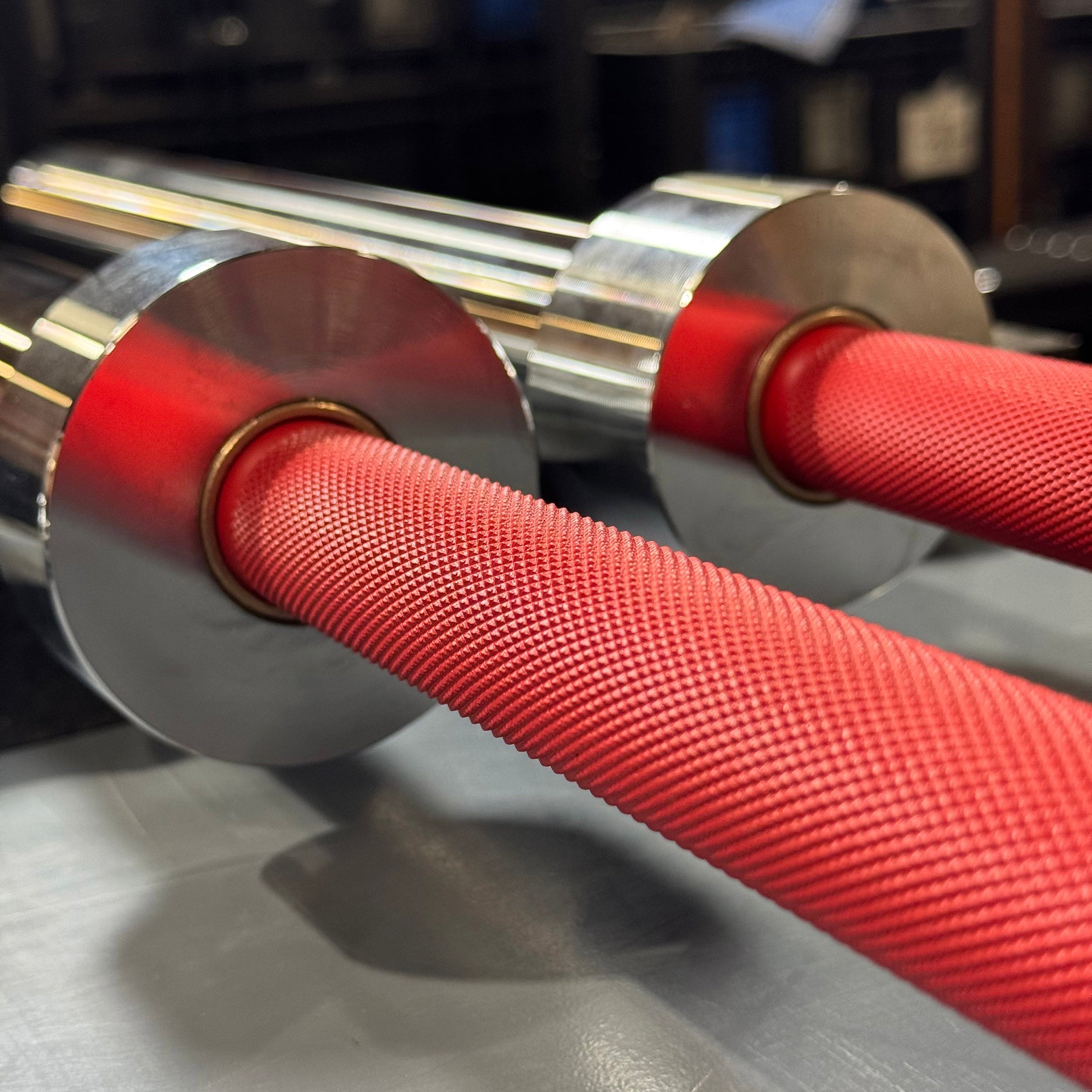
4. Sleeve Construction & Assembly
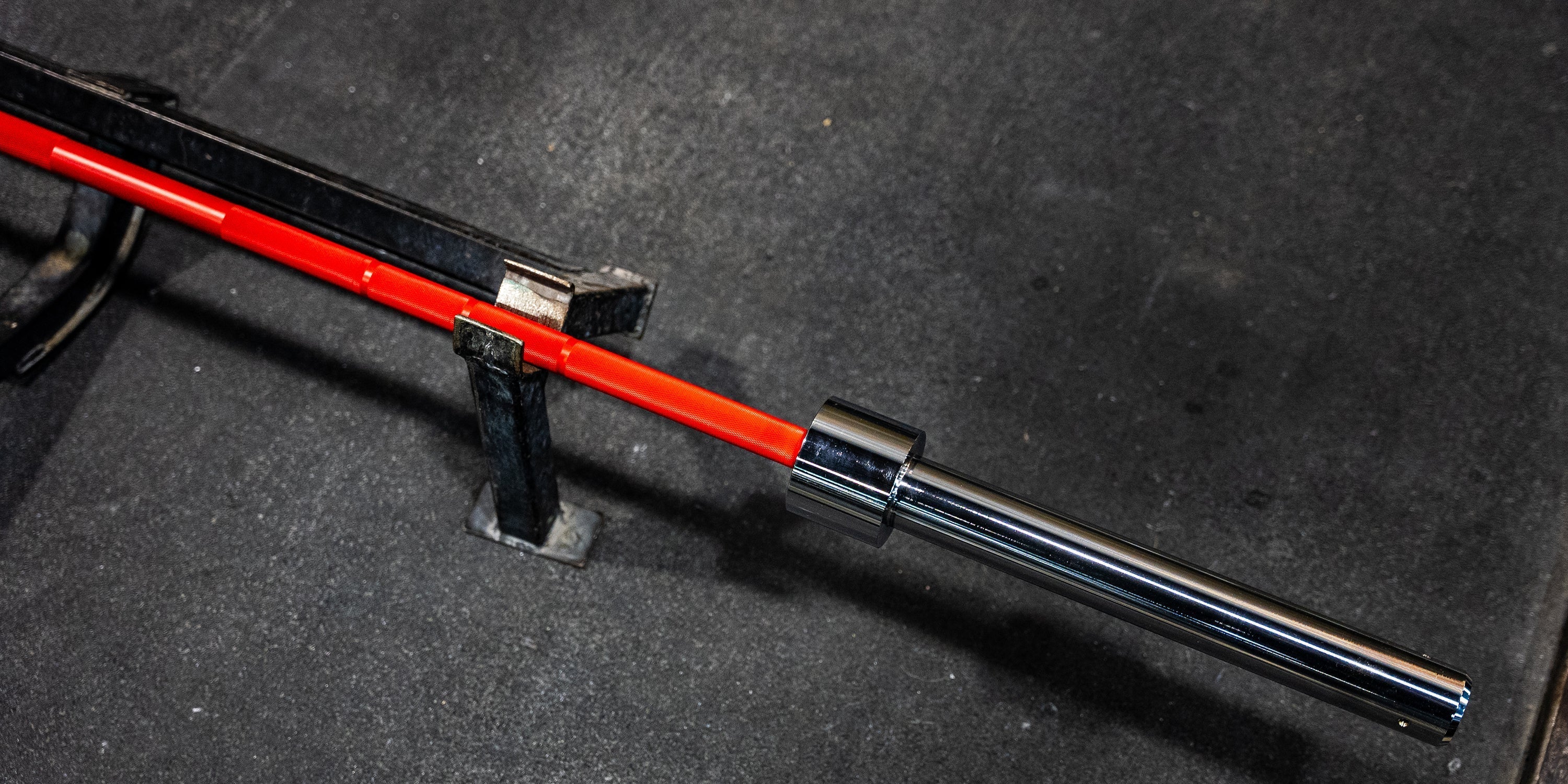
The sleeves (where plates load) play a major role in durability.
Cheap barbells often use:
- Weak sleeve materials
- Poor assembly methods
- Loose tolerances
This leads to:
- Wobble under load
- Uneven stress distribution
- Increased chance of bending
High-quality bars use precise assembly and consistent construction to maintain alignment under heavy loads.
5. Lack of Manufacturing Consistency
Many low-cost bars are mass-produced with little quality control.
This means:
- Inconsistent steel quality
- Variable shaft straightness
- Unreliable performance
Bars may look identical online — but perform completely differently under real weight.
Signs Your Barbell Is Bending (or About to Fail)
- The bar doesn’t roll straight on the floor
- You feel uneven loading during lifts
- The bar “stays” slightly curved after heavy sets
- Sleeves feel loose or misaligned
If you notice these signs, your bar may already be compromised.
How to Avoid Buying a Barbell That Bends
- Choose bars with 190k+ tensile strength
- Buy from established manufacturers
- Match the bar to your training style
- Avoid ultra-cheap “no-name” barbells
For serious lifting, investing in a quality bar saves money long-term.
Why Lifters Choose Texas Power Bars
With thousands of 5-star reviews and decades of proven performance, Texas Power Bars are trusted by lifters across home gyms, commercial gyms, and competition platforms.
From power bars to squat and deadlift bars, every bar is built for a specific purpose — and built to last.
Final Thoughts
Cheap barbells don’t fail immediately — they fail when it matters most.
The heavier you lift, the more bar quality matters.
A properly built barbell should flex under load, recover perfectly, and perform consistently for years.
Buy once. Cry once. Lift for decades.

Leave a comment
All comments are moderated before being published.
This site is protected by hCaptcha and the hCaptcha Privacy Policy and Terms of Service apply.